Introduction
Wrongful death cases are among the most sensitive and complex types of legal matters. They arise when someone dies due to another party's negligence or intentional actions. The emotional toll on families is immense, often compounded by financial concerns related to medical bills, funeral costs, and loss of income. In this article, we will explore the intricate world of wrongful death cases, focusing specifically on settlements and trials. We’ll discuss various aspects including the roles of attorneys like those from Moseley Collins Law, the processes involved in reaching a settlement or going to trial, and the factors that influence these decisions.
Understanding Settlements and Trials in Wrongful Death Cases
Understanding settlements and trials in wrongful death cases requires a comprehensive grasp of both avenues available for seeking justice. A settlement involves an agreement between the parties involved to resolve the case without going to trial. This can be a quicker and less emotionally taxing option for families who are already dealing with grief.
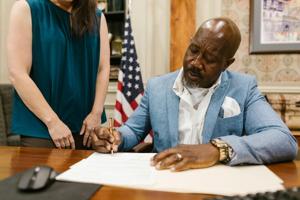
In contrast, a trial represents a more formal process where evidence is presented before a judge or jury who will ultimately decide on liability and damages. Each route has its own advantages and challenges, making it essential for families to weigh their options carefully.
The Role of Moseley Collins Law in Wrongful Death Cases
Expert Legal Guidance
When navigating the complexities of wrongful death claims, having experienced attorneys like those at Moseley Collins Law can make all the difference. Their expertise as wrongful death attorneys ensures that families receive the guidance they need during such trying times.
Types of Attorneys Involved
Fresno Wrongful Death Attorneys Medical Malpractice Attorneys Paralysis LawyersEach type of attorney specializes in different aspects of wrongful death cases, allowing for tailored support based on specific circumstances surrounding each case.
The Emotional Impact on Families
Grieving Process
Losing a loved one is devastating; understanding how to cope with grief while managing legal proceedings can be overwhelming. Many families experience feelings of anger, confusion, and sadness as they navigate their options.
Financial Considerations
The financial implications can add another layer of stress. Bills may pile up due to medical expenses incurred before the death or funeral costs following it. This is where financial compensation becomes crucial for many families to regain some stability.
Factors Influencing Settlements vs Trials
Case Complexity
Some cases are straightforward with clear evidence pointing towards negligence; others are more complicated involving multiple parties or disputed liability. More complex cases might lean towards trial rather than settlement.
Insurance Companies’ Role
Insurance companies often play a significant role in wrongful death cases. Their willingness to offer fair settlements can significantly influence whether a family chooses to settle or go to trial.
Benefits of Settling a Wrongful Death Case
- Quicker Resolution: Settlements can often be reached faster than waiting for a trial date. Control Over Outcome: Families may have more control over the final amount received. Less Public Exposure: Settling avoids the public scrutiny that accompanies trials.
Drawbacks of Settling a Wrongful Death Case
- Lower Compensation Potential: Some families may not receive full compensation through settlements compared to what could be awarded at trial. No Precedent Set: A settlement doesn’t create legal precedent for future similar cases.
Benefits of Going to Trial in Wrongful Death Cases
- Possibility for Higher Awards: Trials can lead to larger compensation amounts if successful. Public Accountability: Trials allow families to bring attention to negligence which may prevent future incidents.
Drawbacks of Going to Trial in Wrongful Death Cases
- Time Consumption: Trials can take months or even years before resolution. Uncertainty: There’s no guarantee that the outcome will be favorable; losing means no compensation at all.
Common Types of Claims in Wrongful Death Cases
Medical Malpractice Claims
Medical malpractice claims arise when healthcare professionals fail to provide adequate care leading to patient death. Misdiagnosis or errors during surgery are common examples where medical negligence plays a role.
Birth Injury Claims
In instances where errors during childbirth result in fatal consequences for either mother or child, these claims fall under birth injury claims—requiring specialized knowledge from attorneys like those at Moseley Collins Law Fresno birth injury lawyers.
Workplace Accidents
Workplace accidents leading to fatalities can also result in wrongful death claims against employers if negligence is proven—an area where experienced attorneys shine with their understanding of labor laws and workplace safety standards.
How Settlement Negotiations Work
Initial Demand Letter
The process typically begins with an initial demand letter sent by your attorney outlining your claim's basis along with requested damages—this letter serves as your first step toward negotiations.
Response from Defendant/Insurance Company
Once they receive your demand letter, expect responses ranging from acceptance, counter-offers, or outright rejection based on https://friendship-pack.uncrn.co/blog/how-long-do-you-have-to-sue-for-medical-malpractice-in-california/ their assessment of liability—this stage sets the tone for further negotiations ahead!
Negotiation Process
Negotiation is often iterative; back-and-forth offers may occur until both sides reach an agreeable figure—or push comes to shove leading you toward litigation if necessary!
Trial Process Overview
Pre-Trial Preparations
Before heading into court proceedings come pre-trial preparations involving discovery phases where both sides gather evidence—witness testimonies come into play as well!
Jury Selection
During trials involving juries—a crucial phase takes place where jurors are selected based on biases; careful selection aims at ensuring fairness throughout proceedings!
Presenting Evidence
Both sides present their arguments followed by witness testimonies—expert witnesses may shed light on technical aspects related directly influencing outcomes!
Frequently Asked Questions (FAQs)
1. What constitutes a wrongful death?
A wrongful death occurs when an individual dies due to another party’s negligent actions or intentional misconduct—common scenarios involve accidents caused by reckless behavior such as drunk driving or malpractice situations within healthcare settings.
2. How long do I have to file a wrongful death lawsuit?
Statutes vary widely depending upon jurisdiction—but generally speaking many states allow anywhere from one year up until three years post-death occurrence for filing claims unless extenuating circumstances apply!
3. Can I still file if my loved one was partially responsible?
Yes! Most jurisdictions follow comparative negligence rules allowing recovery even if deceased shares some fault—it simply reduces potential payout based upon assigned percentage responsibility attributed across involved parties!
4. What kind of damages am I entitled too?
Depending upon specifics surrounding each case potential recoverable damages may include economic losses (lost wages), non-economic losses (pain/suffering), funeral expenses & punitive awards aimed at deterring future negligent behavior exhibited by defendants involved!
5. Do I need an attorney?
While not mandatory having experienced representation greatly improves chances achieving favorable outcomes given complexities inherent within legal systems—attorneys understand nuances facilitating smoother navigation throughout entire processes ensuring best interests remain prioritized while advocating strongly on behalf clients' rights!
6. What happens if my case goes to trial?
If your case reaches trial it means no acceptable settlement was reached beforehand—during this phase both sides will present evidence & arguments before judge/jury ultimately resulting in verdict determining liability alongside any awarded compensatory amounts deemed appropriate by presiding authorities overseeing matter!
Conclusion
Navigating settlements and trials in wrongful death cases is undoubtedly challenging but understanding each avenue’s implications empowers grieving families seeking justice while addressing their unique circumstances effectively! With dedicated attorneys such as those found within Moseley Collins Law standing ready providing essential support every step along way—from initial consultations through final resolutions—the road ahead holds potential promise towards healing despite heavy burdens carried forth amidst profound loss faced head-on!